
A Navy Veteran Builds a Home—and a Legacy—on the Rosebud Reservation
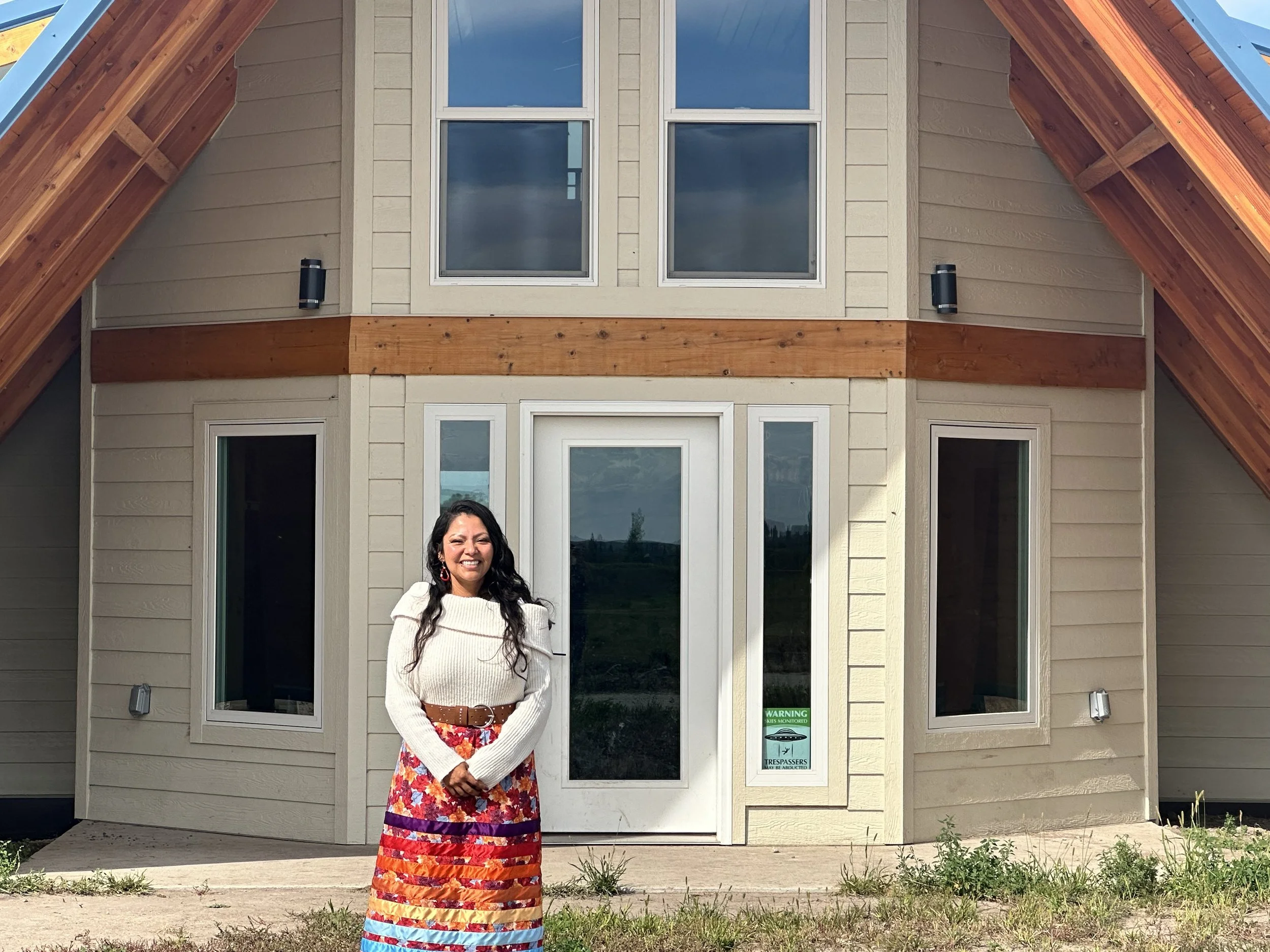
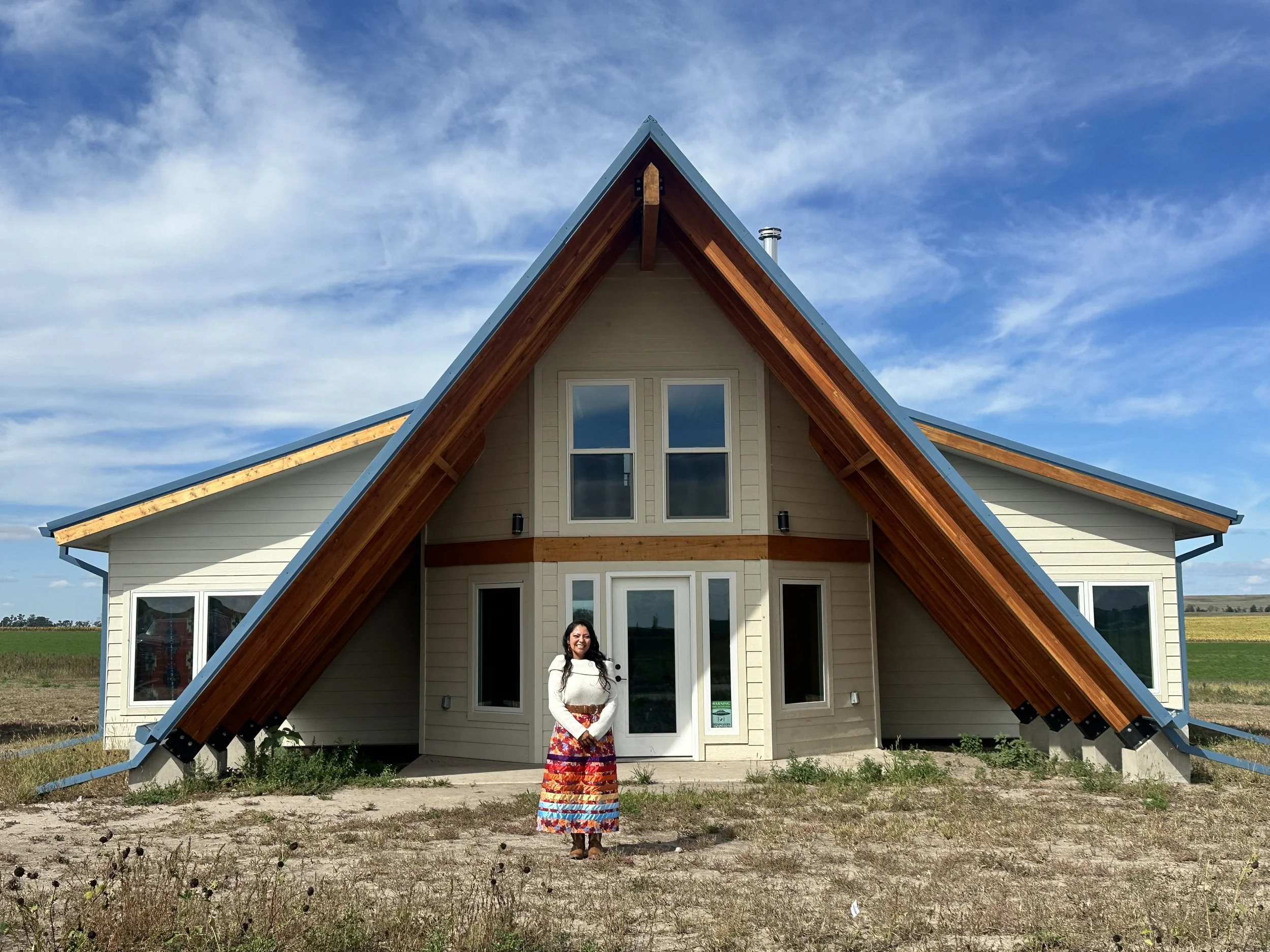
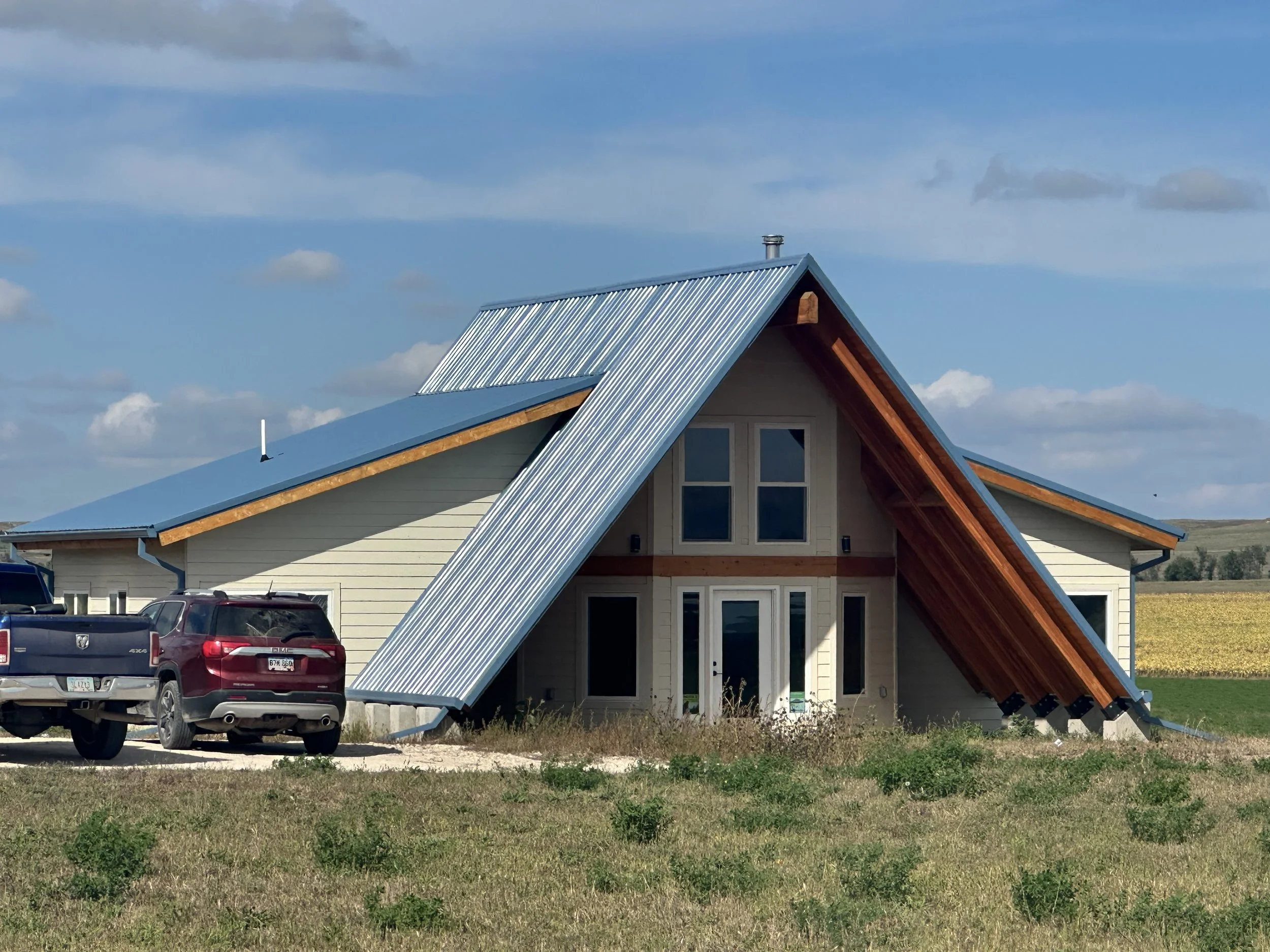
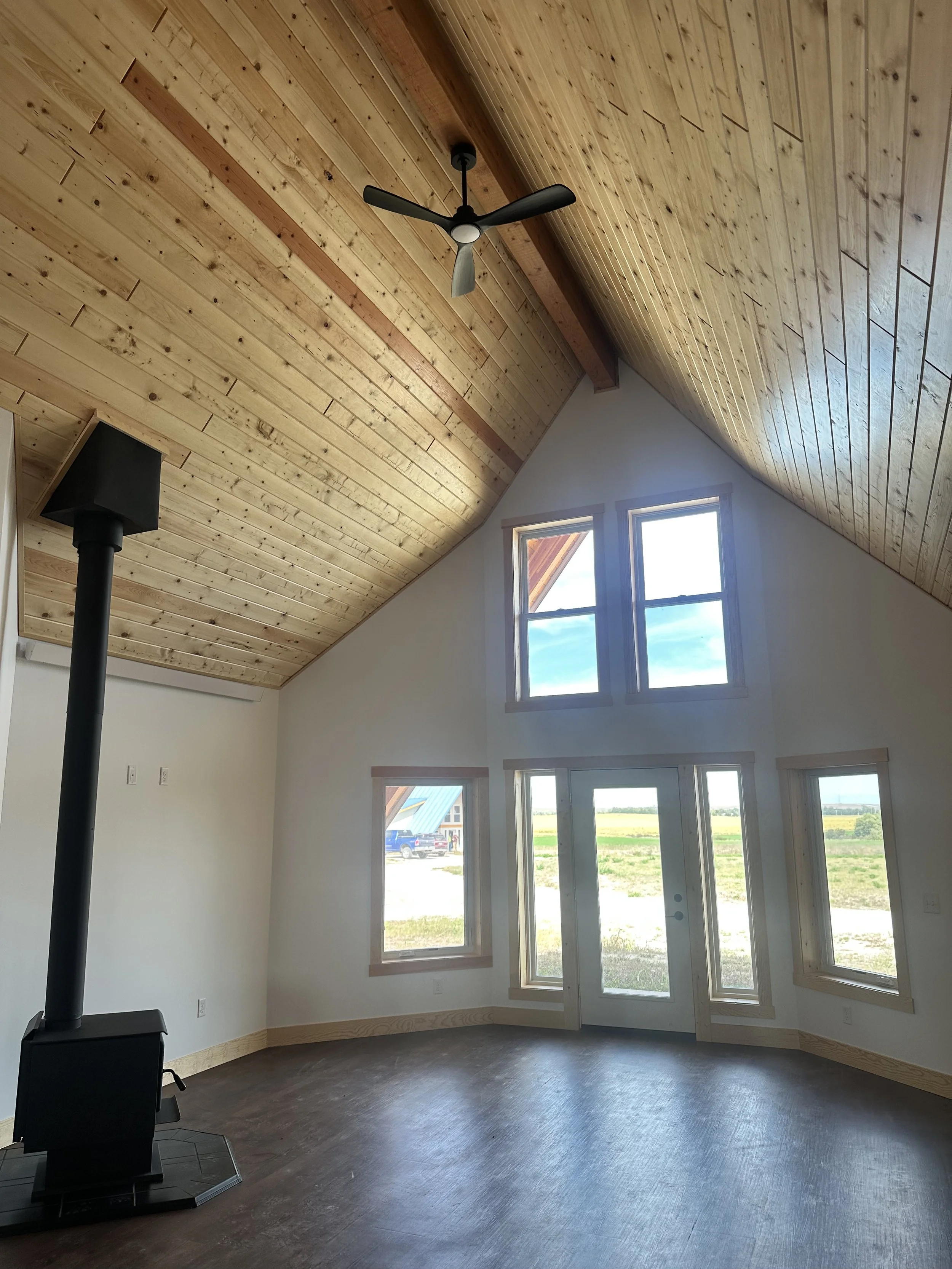
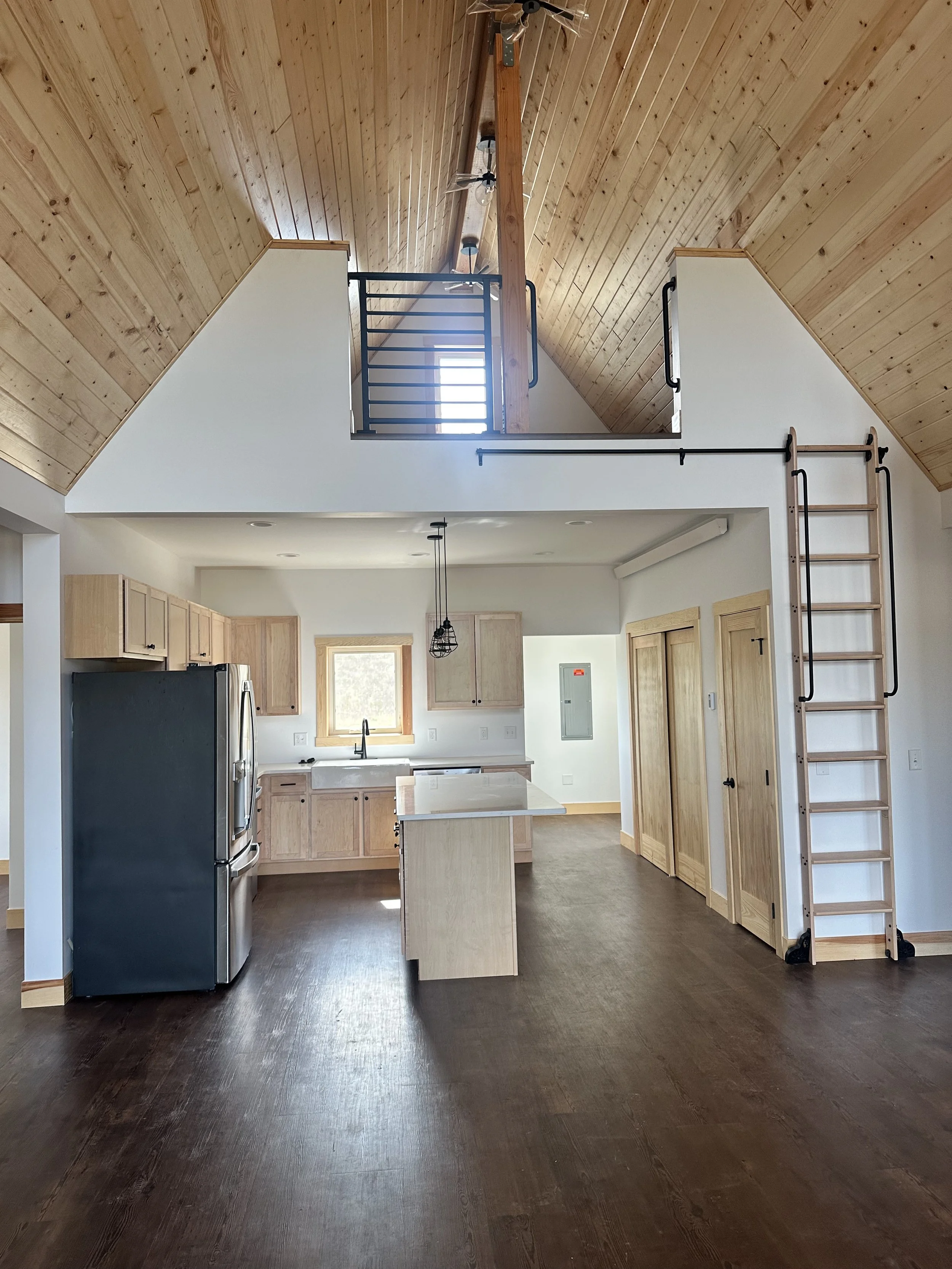
With support from Lakota Funds, Keya Wakpala Woicageyapi Housing Development at Sicangu Co, the South Dakota Native Homeownership Coalition, and the U.S. Department of Veterans Affairs, Navy veteran Katherine “Kat” Felix navigates the path to homeownership—and plants roots on Rosebud for generations to come.
From an aircraft carrier in the middle of the ocean to a naval base in Japan, Navy veteran Kat Felix has lived all over the world. But her spirit has always found its home on the Rosebud Reservation.
"Our spirituality is at home," said Kat, a member of the Rosebud Sioux Tribe who grew up in Mission. "Your community, they're the only ones who will ever fully understand your belief system, your spirituality, your language, your culture. Who you are as a Lakota."
While grateful for the opportunities military service provided, living far from Lakota language, ceremonies, and traditions was a significant sacrifice. Kat worked to ensure her three children maintained those connections, returning to Rosebud each summer. But without a permanent place to stay, the visits were expensive and temporary.
Kat wanted something more: a home where her children could always return, no matter where life took them.
With support from a network of homeownership partners, including Lakota Funds' Veterans Matched Savings Program, Kat has now navigated a nearly three-year journey to purchase a home on Rosebud—creating something permanent for her family and future generations.
A Longing for Home
Growing up on Rosebud, Kat had been eager to leave and explore the world. But after years of military service, living abroad, and raising three children, she began to see her home community differently.
“There’s a sort of stigma about being raised on the reservation, and when I was young I couldn’t wait to leave. But the longer I was away, the more I wanted to come home," said Katherine. “Looking back, I realize how much I loved growing up here–how lucky I was to have been raised with the culture and hearing the language.”
During summer visits, Kat watched her children develop their own connections to Rosebud through traditional ceremonies, time with relatives, and experiences in the community. She wanted to give them a more permanent connection to their home and culture.
But finding a home on Rosebud was difficult. Housing shortages are severe, and securing a homesite, building on tribal land, and obtaining mortgage financing all pose significant challenges. Kat briefly considered purchasing a home in a neighboring town but encountered skepticism and an unwelcoming reception.
Then she learned about a new housing development through Siċaŋġu Co, an organization working to advance shared, lasting prosperity for the Siċaŋġu Lakota Nation. She immediately saw an opportunity to establish roots on Rosebud.
Opening a New Path to Homeownership
Although Kat had purchased homes before, financing a home on tribal land presented new challenges. As the first veteran homebuyer in the development, she was navigating a process unfamiliar to many involved.
A breakthrough came when she received an email from the Department of Veterans Affairs about its Native American Direct Loan (NADL) program, which helps eligible Native American veterans finance homes on federal trust land.
Kat shared the information with the housing development team, initiating a complex process involving the VA, housing staff, and multiple financial partners. With limited local experience navigating the NADL program, the process required considerable persistence and collaboration.
"It was definitely a journey," Kat recalled. "I’d start to lose hope at certain points. But everyone at Siċaŋġu Co was so encouraging and uplifting, and kept assuring me we’d get this done.”
Additional support came from the South Dakota Native Homeownership Coalition, which provided $5,000 in down payment assistance. Then, just days before her anticipated closing, another veteran introduced Kat to Lakota Funds' Veterans Matched Savings Program.
The program combines $2,000 in personal savings with an $8,000 match, providing eligible Native veterans with $10,000 toward homeownership. Unsure whether there was still time to participate, Kat contacted Lakota Funds Executive Director Tawney Brunsch.
"Within 15 minutes, it was done," Kat recalled.
The additional financing helped bring Kat closer to completing her purchase. The connection also created an opportunity for Lakota Funds to learn more about the NADL program. Kat introduced Tawney to her VA representative, establishing a relationship that could help other Native veterans access the same financing opportunity.
Her determination to become a homeowner was helping open doors for others.
Turning Experience Into Opportunity for Others
Kat's journey has already come full circle. Several months ago, she accepted a position as a housing coordinator with Siċaŋġu Co, where she's now helping other Native families—including veterans—navigate the homeownership process.
"I'm really glad that I was able to go through it myself first before I took on this position," she said. "Because now I’m able to empathize and relate to other families, especially veterans, as they go through this process."
Having experienced the stress and uncertainty firsthand, Kat understands the importance of encouragement and practical support. She can also draw on the relationships she developed with Lakota Funds, the VA, and other housing partners to help future homebuyers.
Her experience has given her a new appreciation for the people and organizations working to make Native homeownership more accessible—and the opportunities veterans have to help one another.
A Home for Generations to Come
Today, Kat's new home is already strengthening her family's ties to Rosebud. Her sister, who previously faced a lengthy commute to work, now lives with her. Her children, who remain in Japan with their father, have a permanent place to return during visits home.
Kat is also reconnecting with the traditions she missed for so many years. She's studying Lakota Culture and History at Sinte Gleska University, participating in traditional ceremonies, and planning to attend Lakota language classes.
But perhaps the most meaningful part of homeownership is the legacy she hopes to create.
Growing up, Kat's grandmother always wanted her to have a home on the reservation—a place she could return to, no matter where life took her. Now, Kat hopes to provide that same sense of belonging for her children. She envisions her oldest son one day settling on Rosebud and raising his own family in the home.
"I always tell them, now you'll always have a home to come back to," she said, just as her grandmother had wanted for her.